Plaster skimming and re-skims in Teesside
Skimming a room in Teesside costs £300 to £600 in 2026 for walls and ceiling over sound existing plaster, £180 to £300 for a ceiling on its own, and £1,800 to £3,500 for a whole three-bed house. Two coats of finish plaster, trowelled flat, left ready for a mist coat.
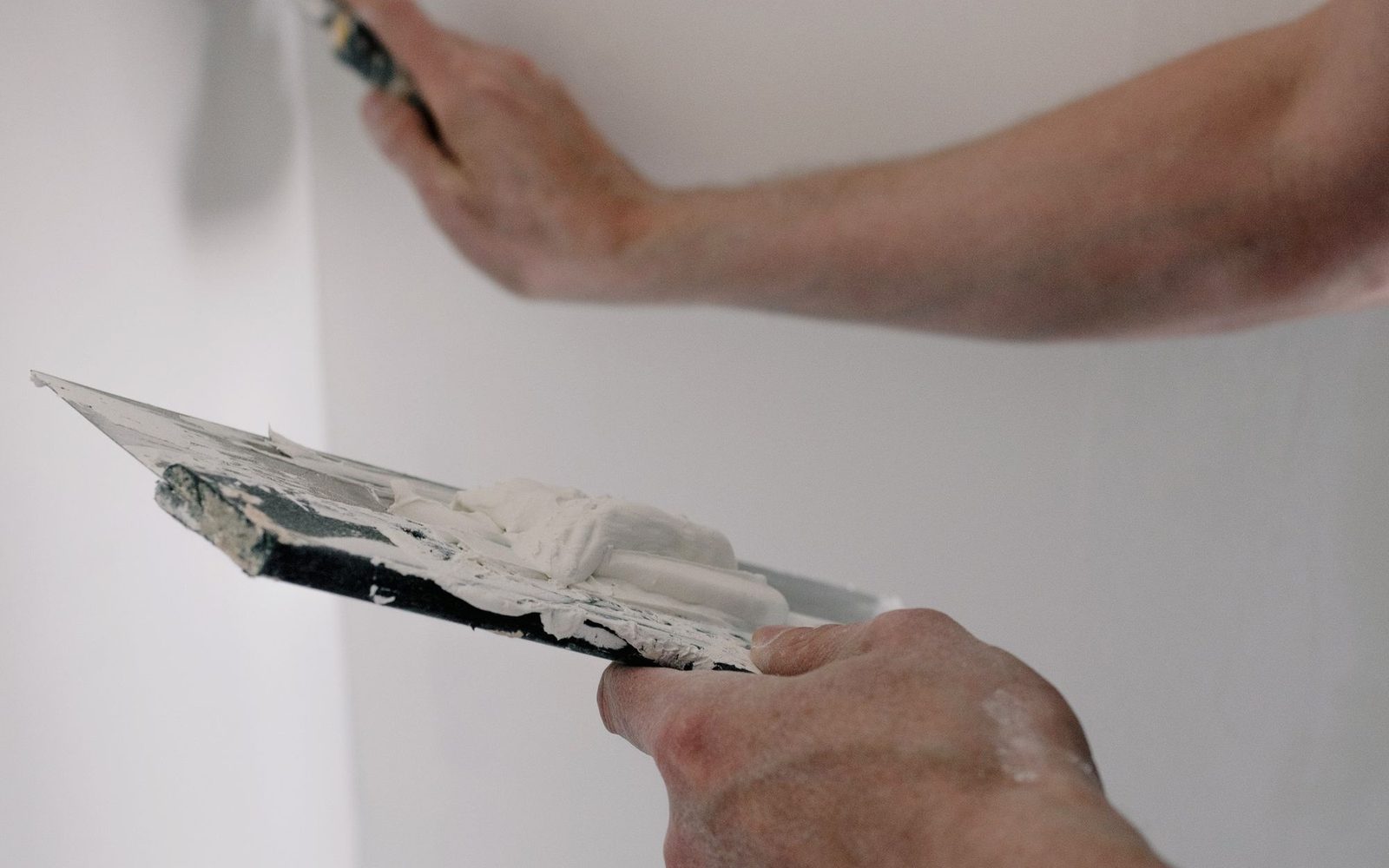
The two millimetres everyone sees
A skim is a thin finish coat, roughly two to three millimetres, worked over an existing surface until it is flat and closed. It is the layer your eye lands on every day, and it is the cheapest way to take tired, patched, papered or lightly textured walls back to a clean canvas. The usual candidates around Teesside are rooms where forty years of woodchip has finally come off, ceilings that have been artexed since the seventies, and the walls behind a kitchen or bathroom that came out in a refit.
What the price covers
- Preparation: loose paper and flaking paint removed, dusty surfaces sealed, hollow or blown patches cut back and made good before the finish goes on.
- Beads and angles: fresh angle bead on external corners and window reveals so the arrises are straight and take a knock.
- Two coats of finish: laid on and then trowelled through several passes as it firms, closing the surface rather than filling it.
- A paint-ready result: flat under raking light, no ridges at the trowel joints, no fill left for the decorator.
- Sheeting and clean-up: floors covered, waste bagged, and the room left swept.
What moves the price
Area comes first: a box bedroom and a through lounge are not the same job even at the same day rate. Ceiling height matters, because anything above standard means staging and slower work. Then there is the state of what is underneath: a papered wall in good order is a straightforward skim, while a wall that has been patched five times, drilled for a dozen fittings and lost its corners needs an hour of making good per wall before the finish coat is worth applying. Whole-house work is cheaper per room than a single room, because setup, mixing and drying overlap. The cost guide works through the arithmetic room by room.
When a skim is not the answer
Tap the wall with a knuckle. A solid tap means the backing coat is stuck to the brick and a skim will do. A drummy, hollow note means the backing has parted from the wall, and skimming over it buys a year before the same crack reappears. Damp changes the answer too: salts coming through from a failed damp course or a chimney breast will ruin a fresh finish, so the source is fixed first. Skim or full replaster sets out the tests, and plaster repairs covers the smaller made-good jobs.
Living with a freshly skimmed room
Fresh plaster dries from pink and patchy to a uniform pale buff. In a warm, ventilated Teesside house in summer that takes four to seven days; in a cold empty house in February it can run past a fortnight, and painting early traps the moisture and lifts the paint. Ventilate gently rather than blasting a heater at one wall, which dries the surface unevenly and can craze it. The first coat should always be a watered-down mist coat so it soaks in and grips.